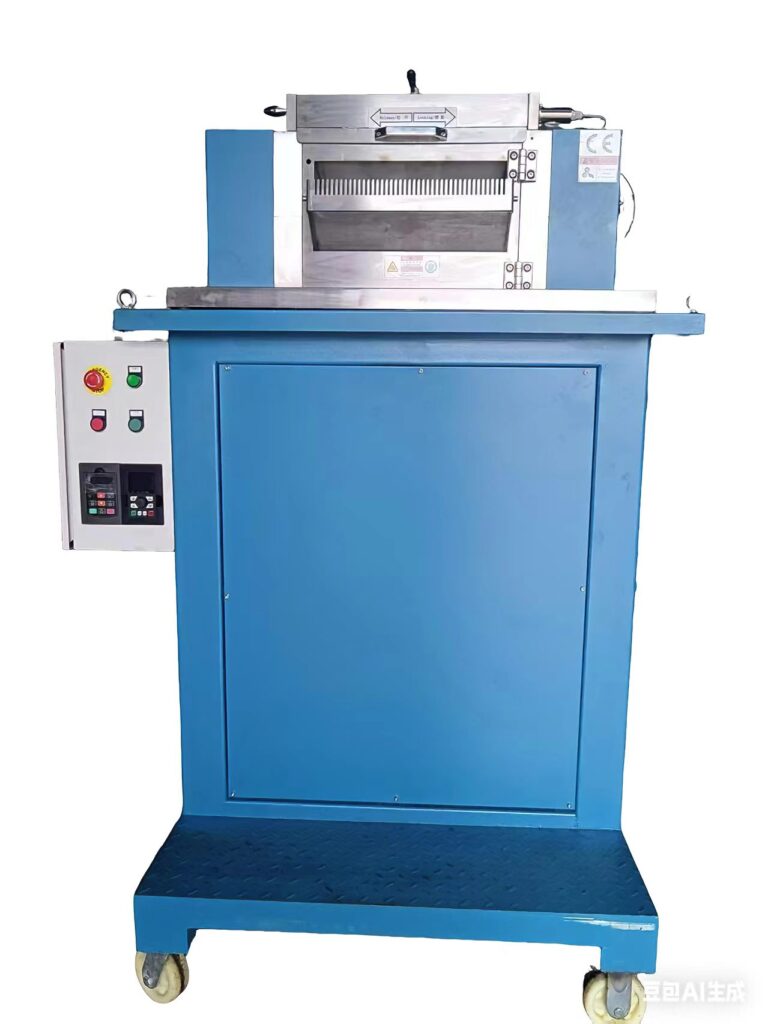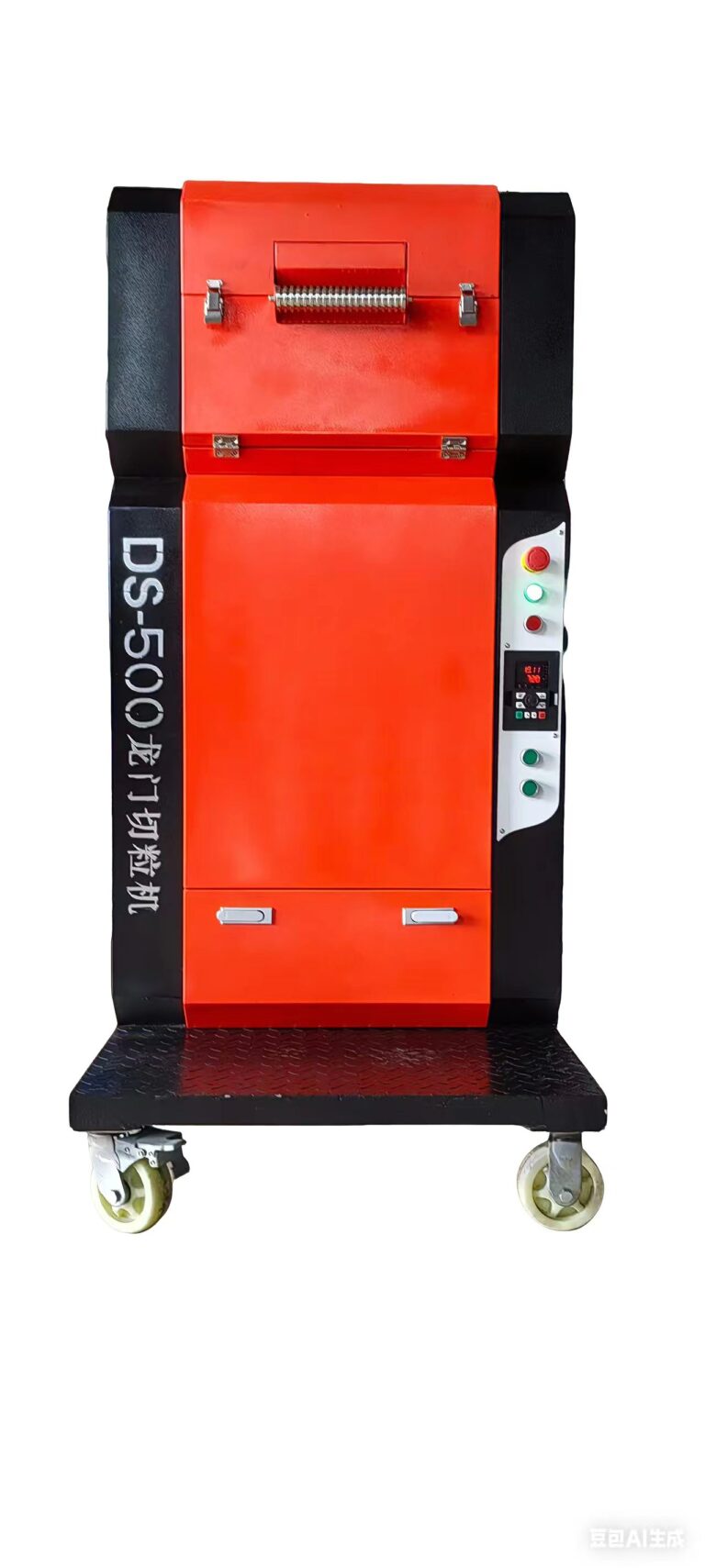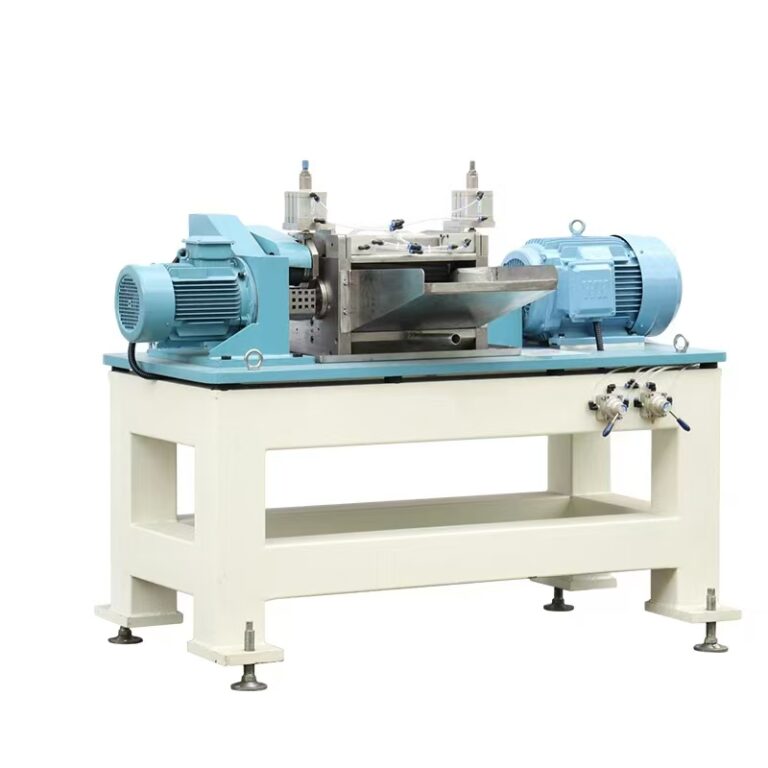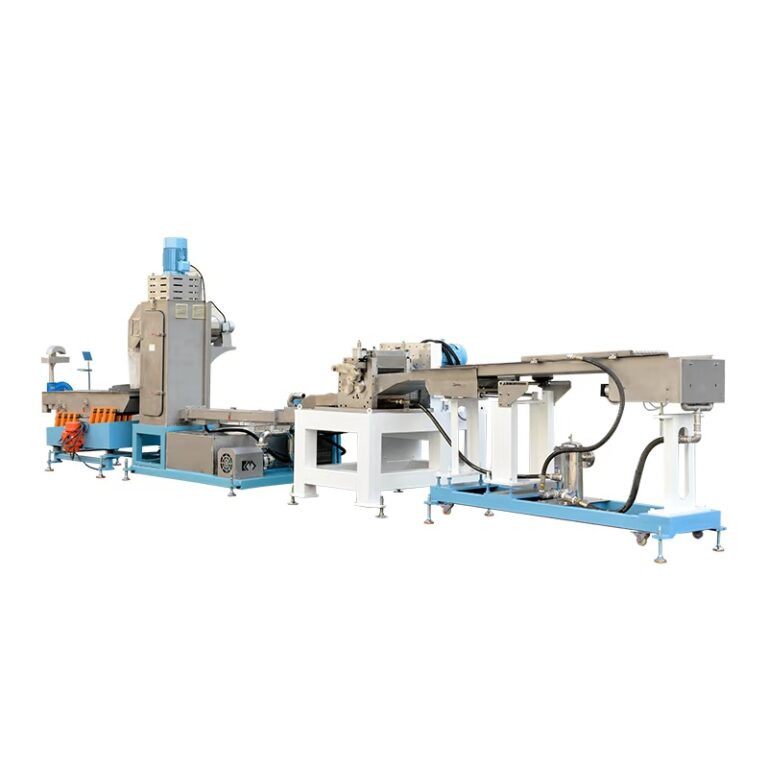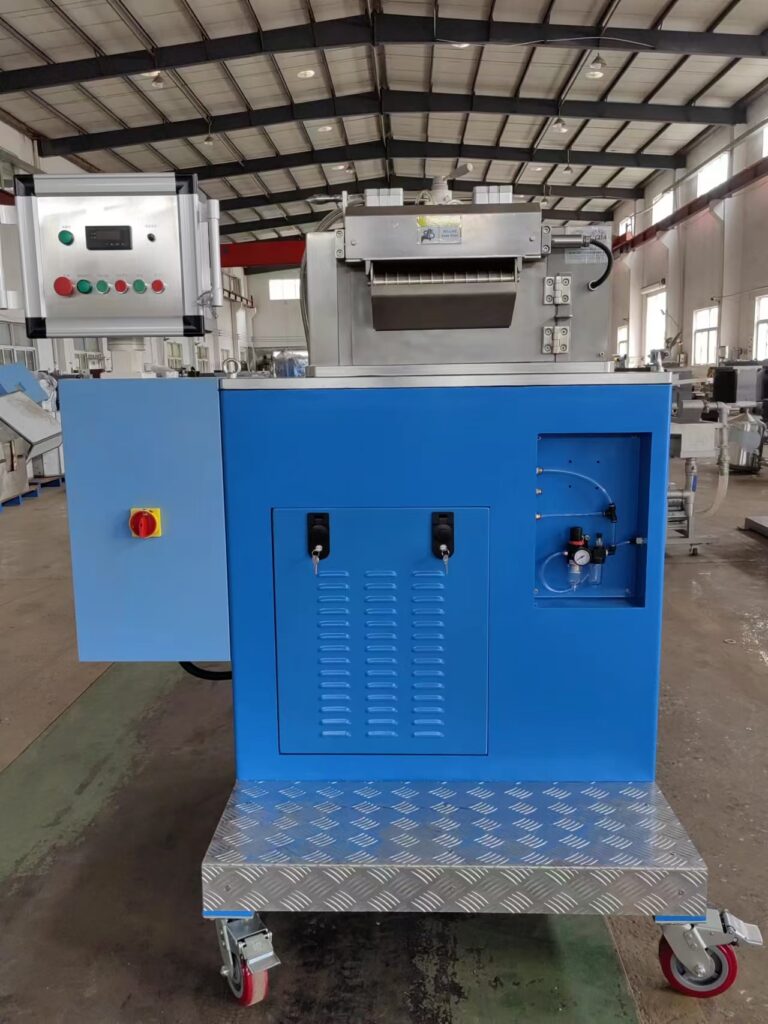
Not all plastic materials behave the same during pelletizing. Soft plastics and elastomers can be more difficult to cut than rigid materials, so choosing the right pelletizing equipment is important.
1. Understand Your Material
Soft plastics and elastomers may deform during cutting because of their flexibility and lower hardness.
Material properties can vary depending on the polymer type, formulation, temperature, and processing conditions.
Before selecting a pelletizer, it is important to understand how the material behaves during production.
2. Why Does Pelletizing Equipment Matter?
The cutting structure, blade condition, material feeding, and operating settings can all affect pellet quality.
For soft materials, the pelletizer should be suitable for the material’s properties and the required pellet shape.
A machine designed for a particular application may help improve cutting consistency and reduce problems caused by unsuitable equipment settings.
3. What Should You Check Before Purchasing?
When choosing a pelletizer for soft plastics or elastomers, consider:
- Material type and hardness
- Material temperature during cutting
- Required pellet shape and size
- Production capacity
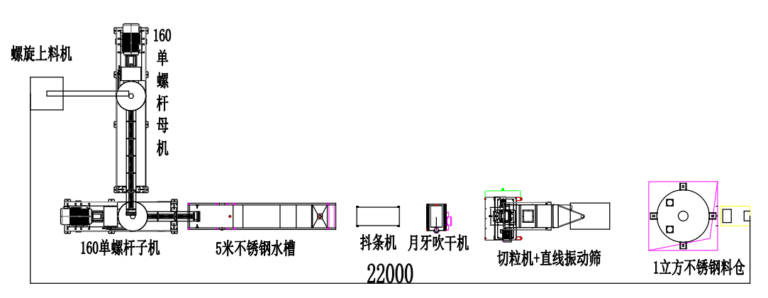
- Compatibility with the existing production line
Providing a material sample or detailed material information can help the manufacturer evaluate the application more accurately.
4. Customized Pelletizing Solutions
We manufacture plastic pelletizing machines for different materials and production requirements, including applications involving soft materials.
The suitable machine structure and configuration depend on the actual material and processing conditions.
If you are processing soft plastics or elastomers, tell us about your material and production requirements. We can discuss a suitable pelletizing solution for your factory.
Contact us for a customized solution.
WhatsApp: +86 150 5280 3663