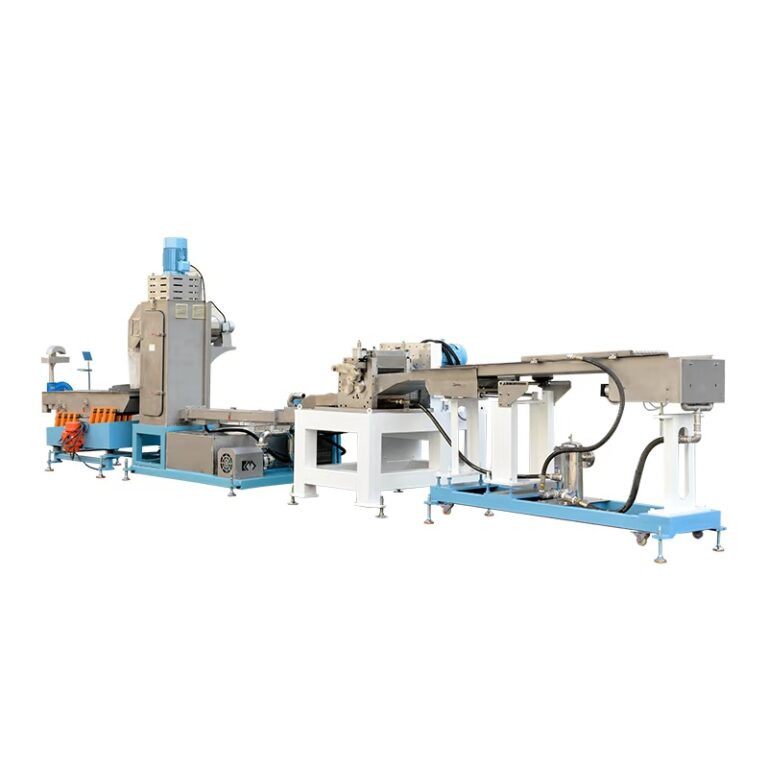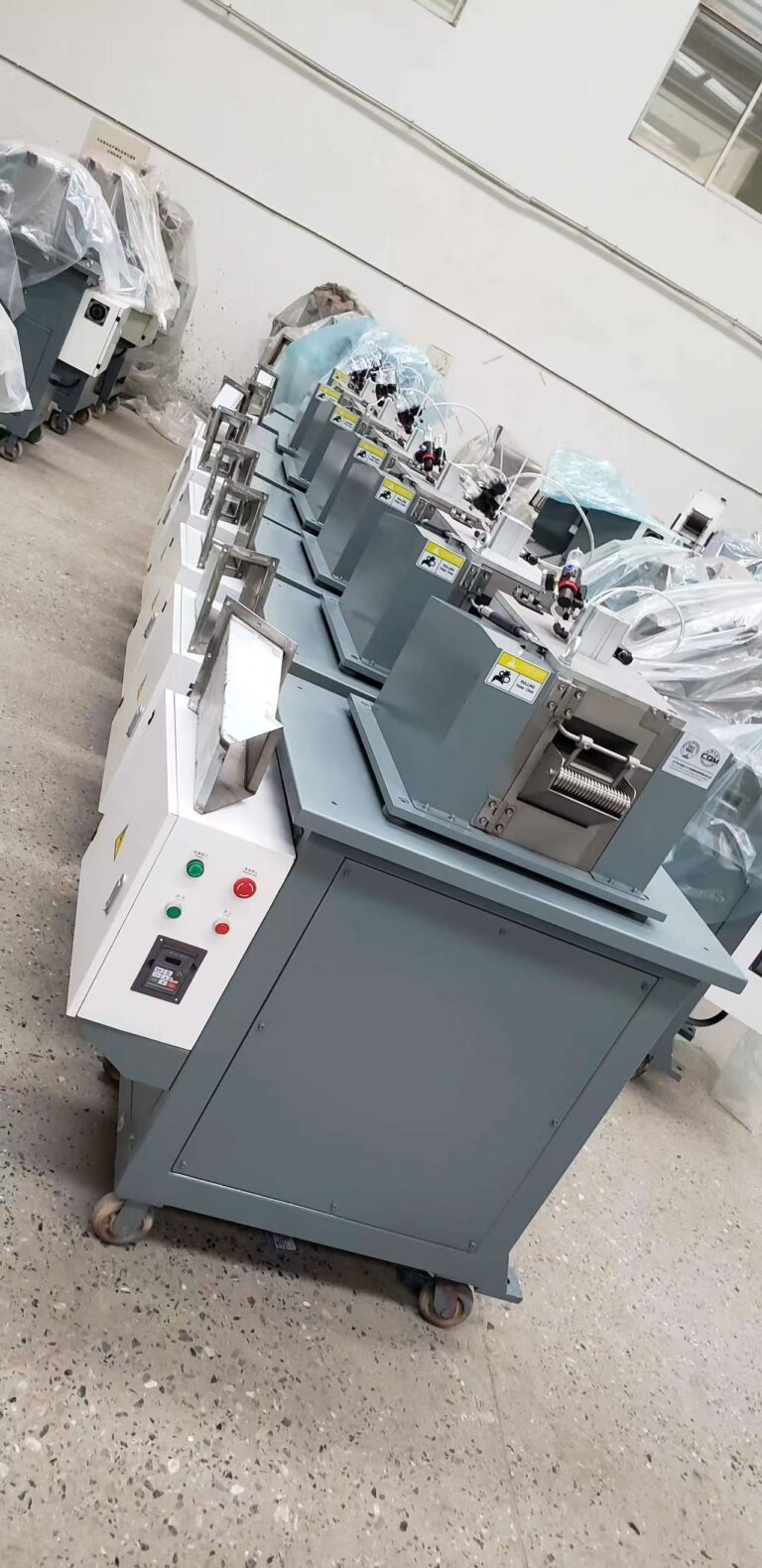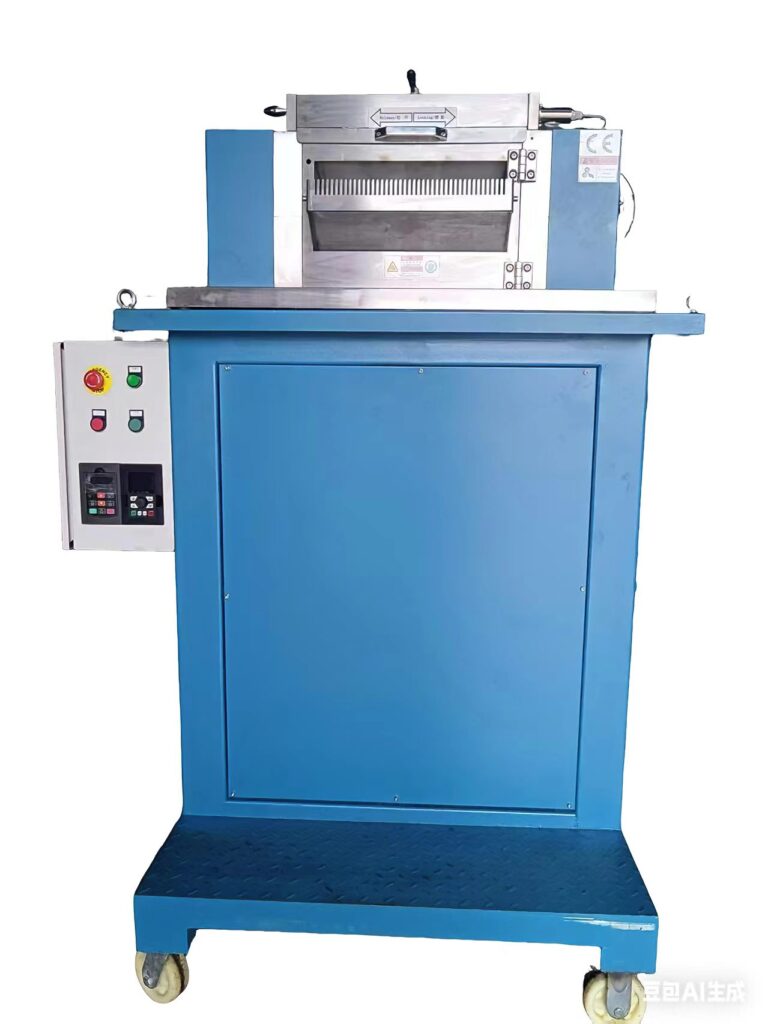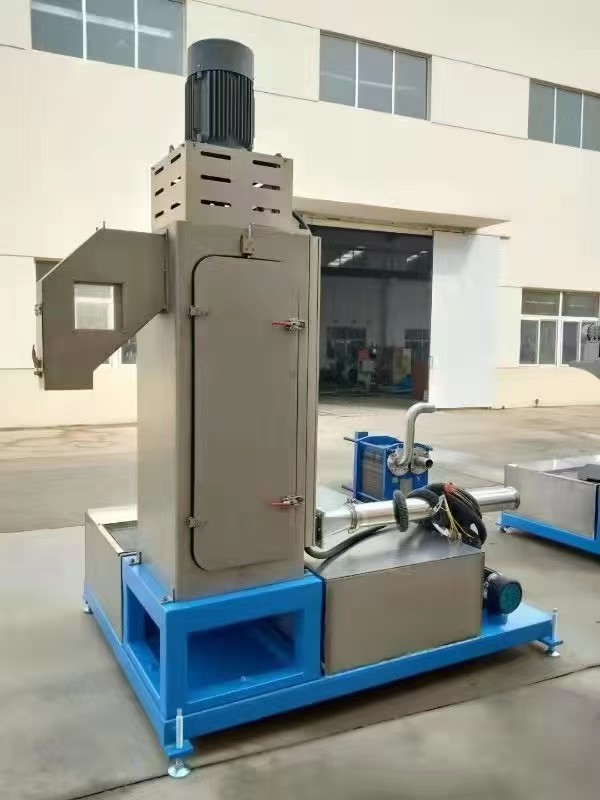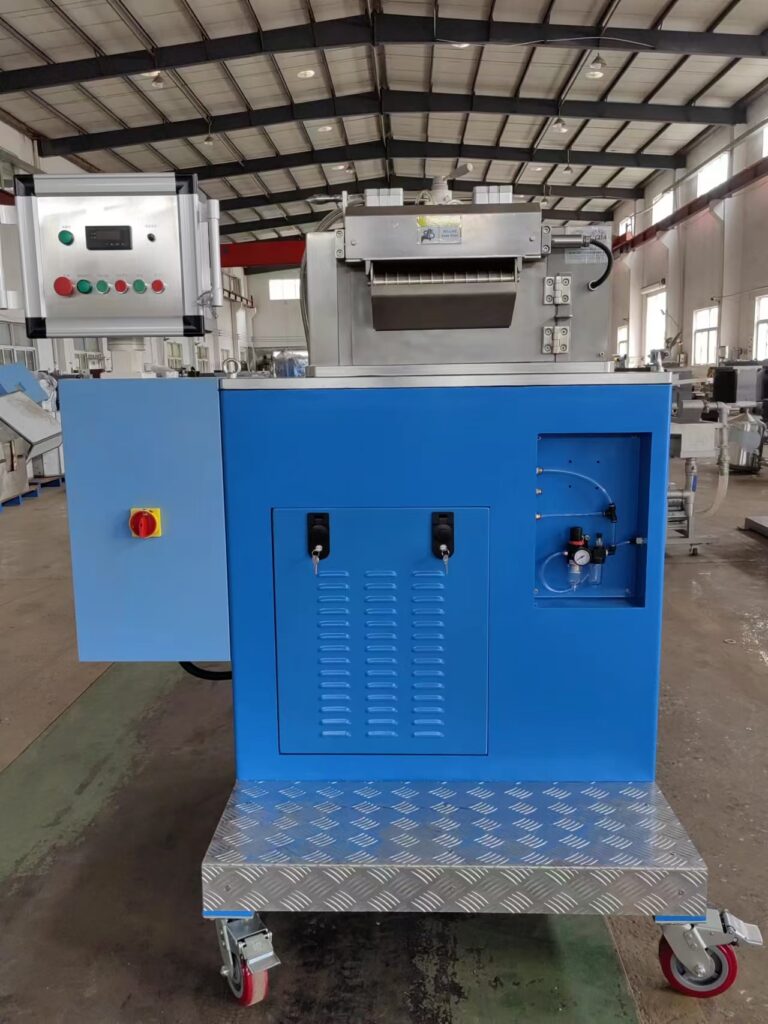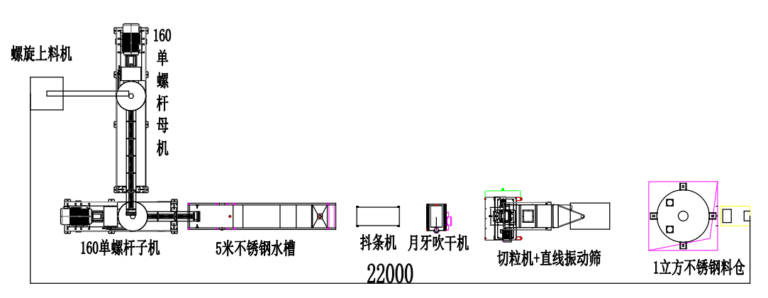
Consistent pellet size is important for many plastic recycling and manufacturing applications. If plastic pellets are too long, too short, or irregular, it may affect the quality requirements of the finished product.
Several factors can contribute to uneven pellet size.
1. Worn Cutting Blades
Cutting blades become worn after long periods of operation. Worn or damaged blades may affect cutting performance and pellet consistency.
Regular blade inspection and timely maintenance can help maintain stable cutting quality.
2. Incorrect Blade Adjustment
The position and clearance between the moving and fixed blades can affect cutting performance.
If the blades are not properly adjusted, the machine may not cut the material cleanly. Correct adjustment should follow the machine manufacturer’s instructions.
3. Unstable Material Feeding
Changes in strand diameter, feeding speed, or material conditions may lead to variations in pellet length.
Checking the upstream extrusion process and maintaining stable material feeding can help improve consistency.
4. Incorrect Machine Settings
Cutting speed and feeding conditions should match the material and required pellet size.
Different materials may require different operating settings. Always test and adjust the machine according to the actual production conditions.
5. Choose a Suitable Pelletizer
A suitable pelletizer should match the material, production capacity, and desired pellet specifications.
Our plastic pelletizing machines are designed for different applications. Machine configuration and adjustment requirements depend on the model and material being processed.
If you are experiencing uneven pellet size, please tell us about your material, current machine, and production problem.
We can help you evaluate possible causes and identify a suitable solution.
Contact us for technical support.
WhatsApp: +86 150 528 3663