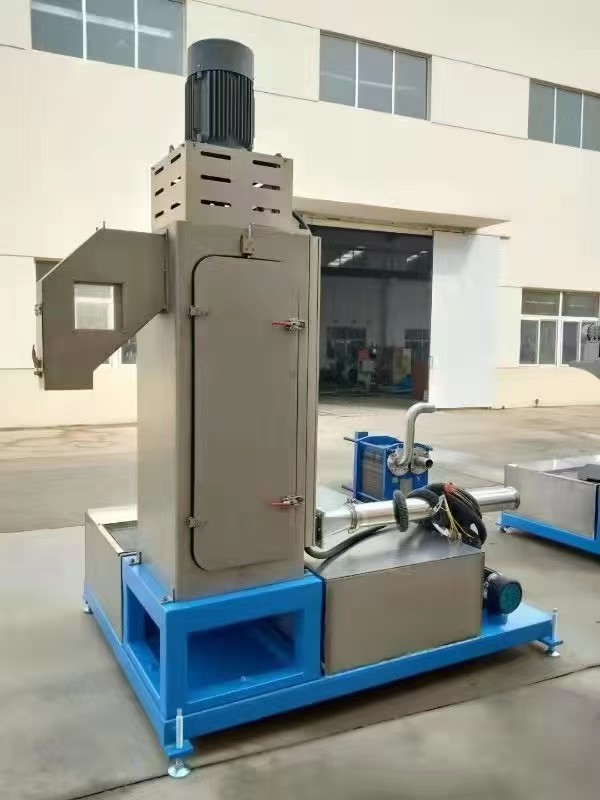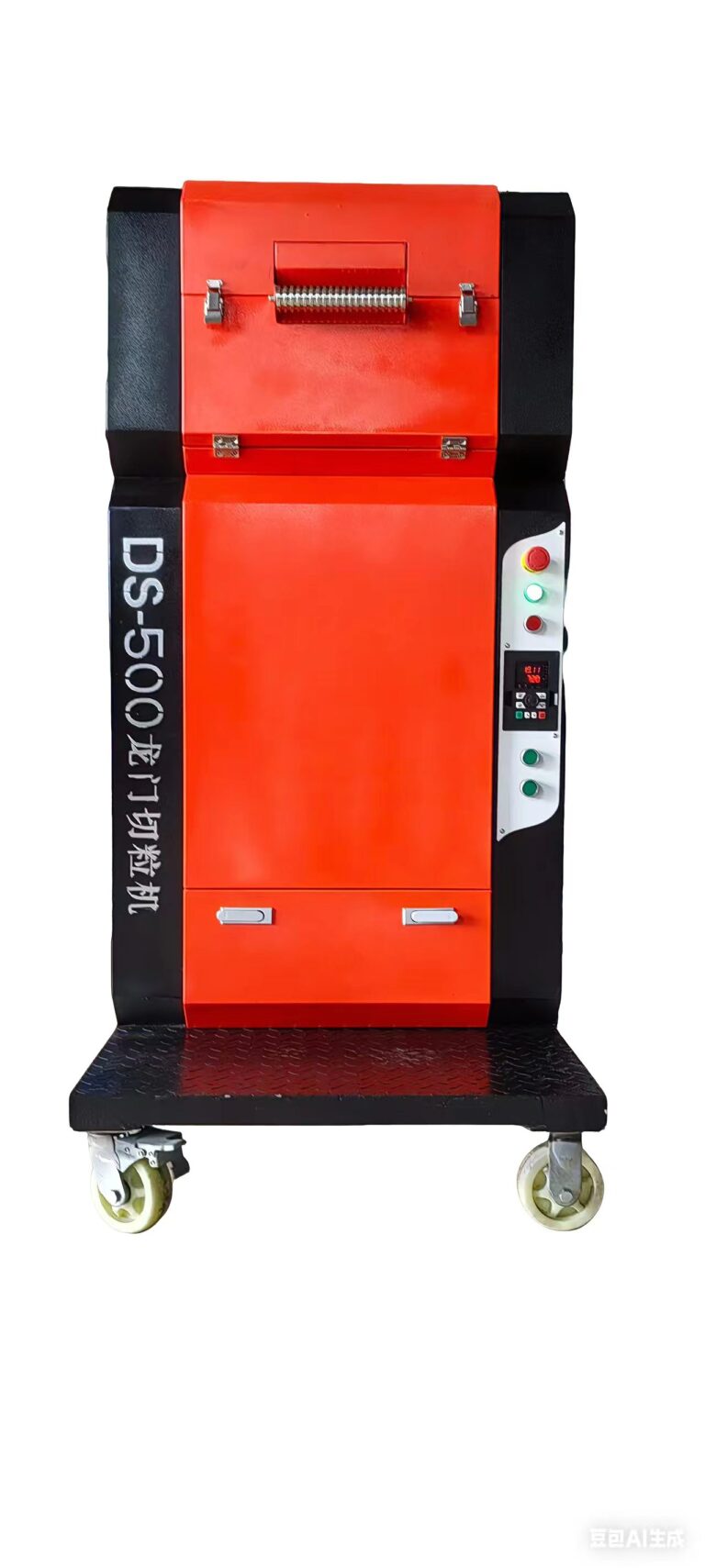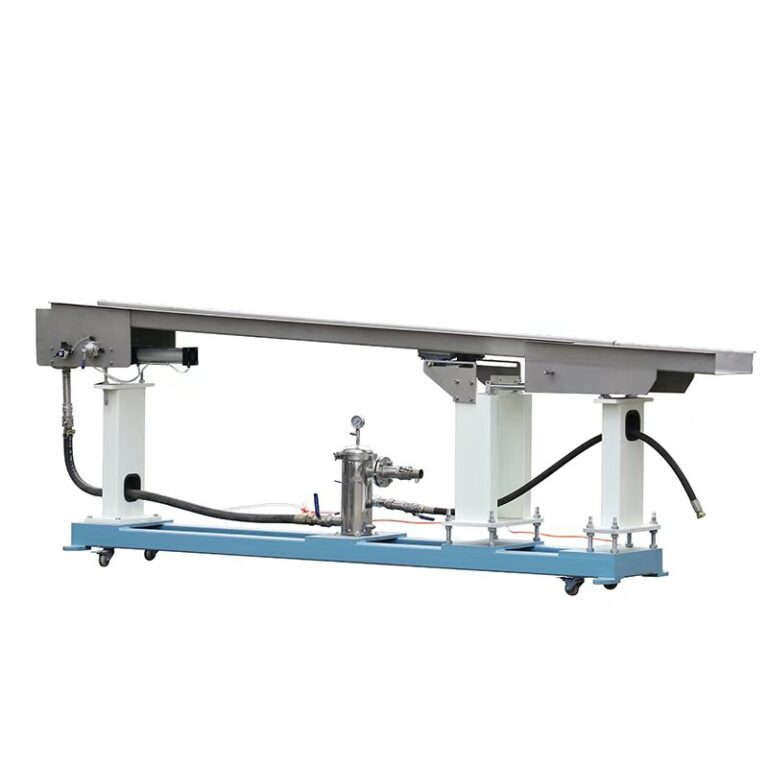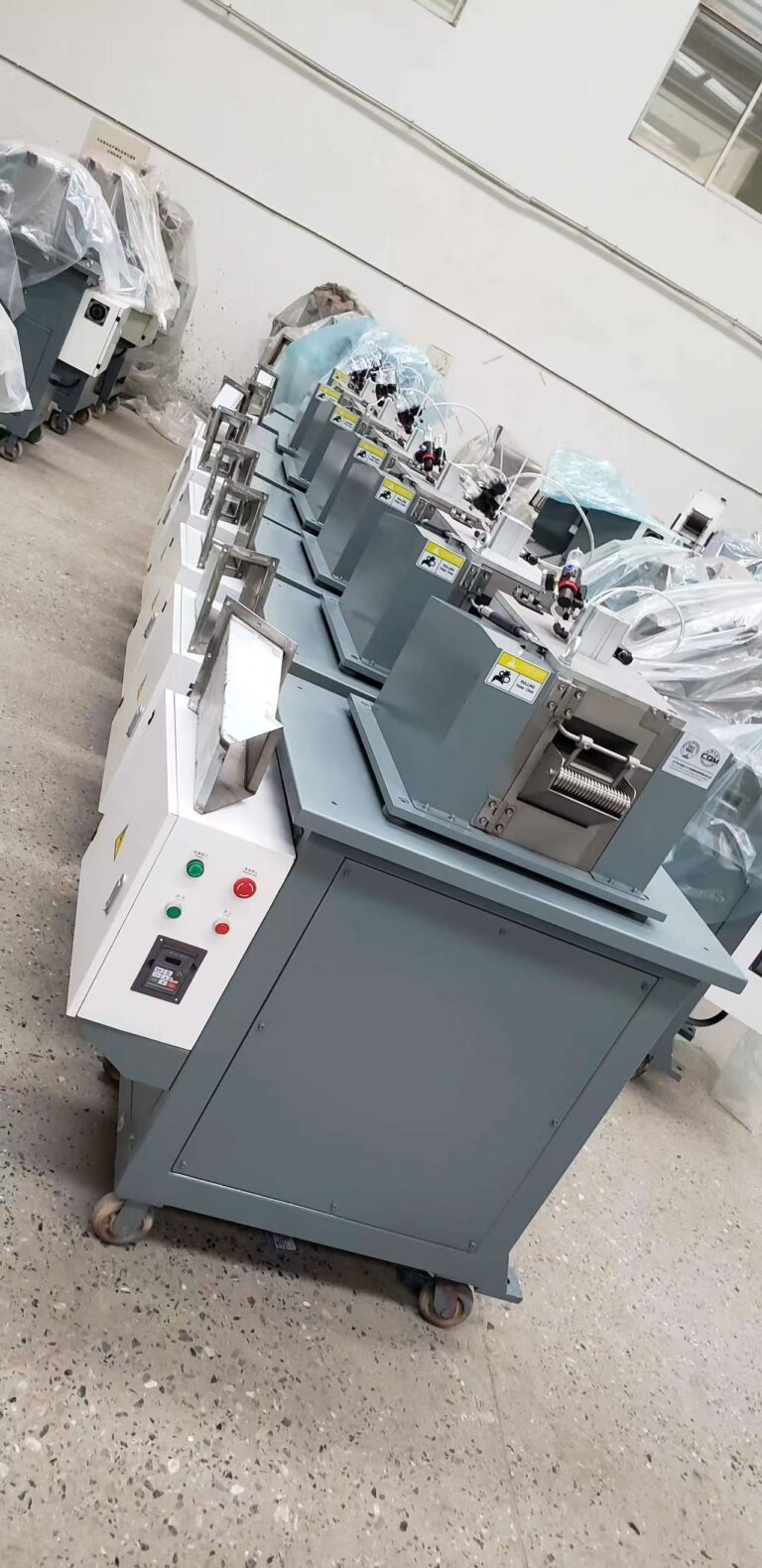
Strand pelletizing and underwater pelletizing are two different methods used to produce plastic pellets. The right choice depends on the material, production process, required pellet quality, and equipment configuration.
1. What Is Strand Pelletizing?
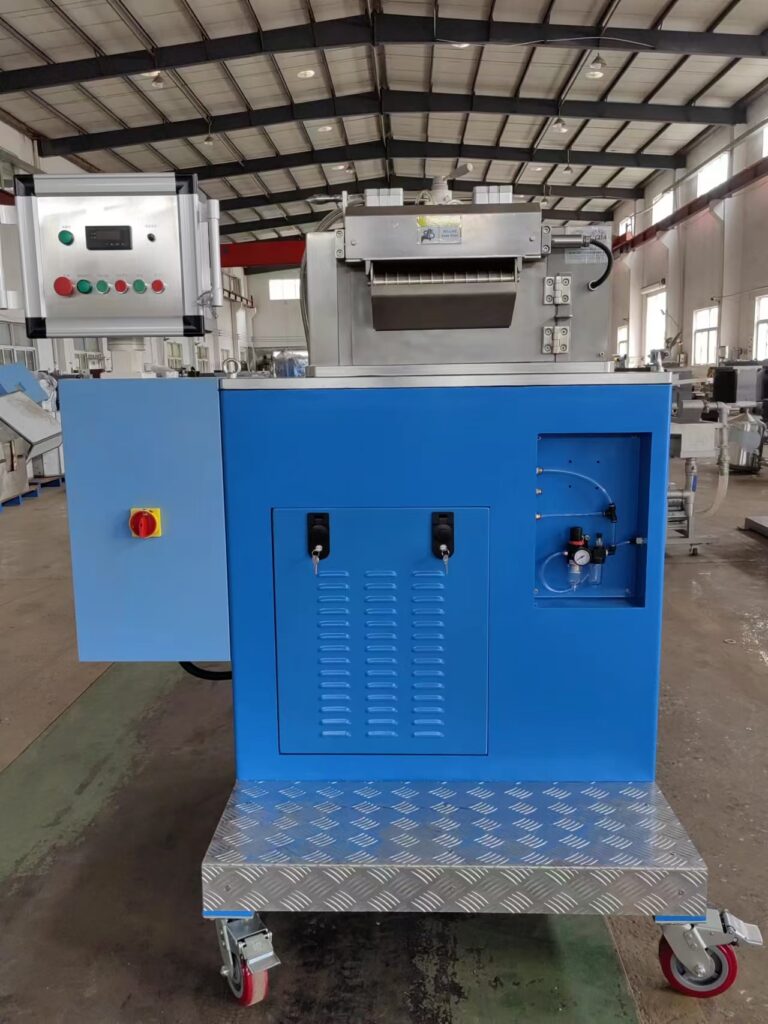
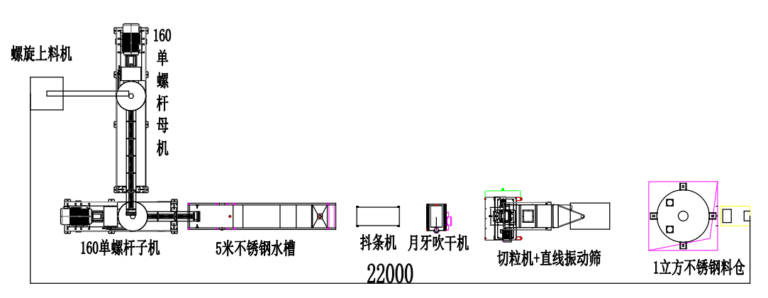
In strand pelletizing, molten plastic is extruded through a die to form strands. The strands are then cooled and fed into a pelletizer, where rotating blades cut them into pellets.
This method is commonly used in plastic compounding and recycling applications where the material can be processed into stable strands.
Important factors include strand stability, cooling conditions, feeding speed, and blade adjustment.
2. What Is Underwater Pelletizing?
In underwater pelletizing, molten plastic is cut into pellets at the die face, and the pellets are cooled by water.
This system integrates cutting and cooling in a different way from strand pelletizing. Its suitability depends on the material properties, production requirements, and system design.
3. Key Differences
The main differences involve the cutting process, cooling method, system configuration, and material requirements.
Strand pelletizing requires stable strands to be formed and fed into the cutter. Underwater pelletizing cuts the material at the die face and uses water for cooling.
Neither method is the best choice for every application.
4. Which Pelletizing Method Should You Choose?
Before selecting a system, consider:
- Plastic material and formulation
- Extrusion process
- Required production capacity
- Pellet size and appearance
- Available space and operating requirements
The final decision should be based on your actual production conditions.
Get Advice for Your Application
We manufacture plastic pelletizing equipment for different materials and production requirements.
Tell us about your material, extrusion line, and target output. We can help you evaluate a suitable pelletizing solution.
Contact us for more information.
WhatsApp: +86 150 5280 3663